


 By neha - July 06, 2026
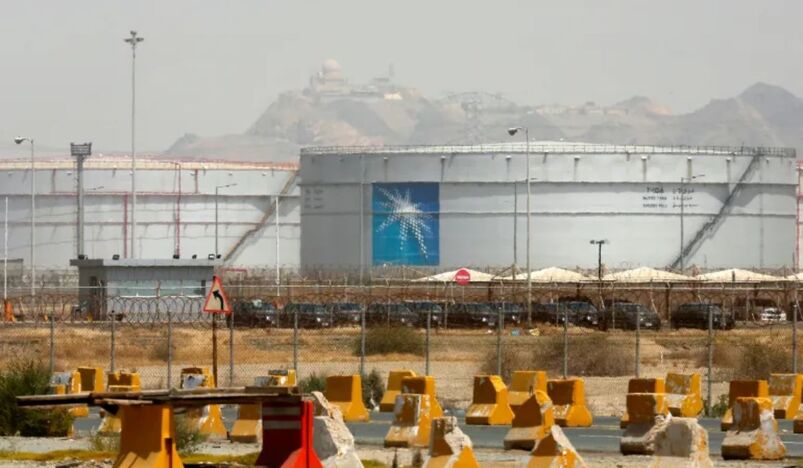
Seven major oil producers agreed to raise output once more starting in August. The move marks their fifth straight monthly increase this year. Energy markets are showing early signs of steady recovery.
Which Countries Are Increasing Production
Saudi Arabia, Russia, Iraq, Kuwait, Kazakhstan, Algeria, and Oman announced the decision Sunday. The group will raise combined output by 188,000 barrels per day. Officials made the call after a virtual meeting reviewing global market conditions.
This increase continues a gradual reversal of cuts first made in 2023. OPEC Plus originally slashed output in April and November that year. Bank collapses at the time triggered a sharp commodity market sell-off.
Why Production Cuts Happened In The First Place
Iran's closure of the Strait of Hormuz forced major supply cuts earlier this year. That strait normally carries about one-fifth of global oil and gas supplies. The blockage created a massive backlog of unshipped crude.
Total OPEC Plus production fell sharply as a result. Output dropped to 33.13 million barrels per day in May. That figure compares to 42.77 million barrels per day back in February.
What Officials Say About Market Conditions
The group said member countries will keep watching conditions closely going forward. Officials stressed they want flexibility to increase, pause, or reverse output changes. The same seven members will meet again on August 2.
How Oil Prices Have Responded
Brent crude briefly spiked above 126 dollars a barrel back in April. Prices have since fallen back toward levels seen before the war began. Brent futures for September delivery traded near 72 dollars Monday morning.
That price sits just below Brent's close on February 27. That date marked the day before US and Israeli strikes on Iran began. Prices have steadily eased as shipping conditions slowly normalize.
Why The Strait Of Hormuz Still Matters
Traffic through the strait has picked up since a June 17 agreement. President Trump and Iranian President Masoud Pezeshkian signed that memorandum to end the war. Shipping remains well below pre-conflict levels even now.
Vessel tracking data showed 38 confirmed transits through the strait on July 2. That number fell from 48 transits recorded just one day earlier. Daily crossings averaged roughly 130 before the war started.
What Analysts Say About The Increase
Market analyst Fabien Yip called the latest OPEC Plus move largely symbolic. He said real barrel supply has stayed limited by the blockade for months. Actual shipments fell well short of official quotas throughout the crisis.
Yip noted Saudi Arabia has more than doubled shipping volume since mid-June. Iran has also pushed nearly 50 million barrels to market since the naval blockade lifted. He warned these combined factors point toward a near-term oversupply.
Softer demand from China and higher exports from the US and Russia add further pressure. Yip said this mix explains oil's retreat toward pre-war pricing levels.
Frequently Asked Questions
Q: How much extra oil will OPEC Plus produce in August?
The group plans to add 188,000 barrels per day combined. Seven member countries are contributing to this latest increase.
Q: Why did OPEC Plus cut production earlier this year?
Iran's closure of the Strait of Hormuz blocked major oil shipping routes. That forced producers to slash output due to storage limits.
Q: What is the current price of Brent crude?
Brent futures traded near 72 dollars a barrel on Monday. That price sits close to levels seen before the war on Iran began.
Q: Is the Strait of Hormuz back to normal shipping levels?
No, traffic remains far below pre-war levels despite recent improvement. Daily crossings still fall short of the roughly 130 seen before the conflict.

_20-08-2026_05-08.jpg)
_27-51-2026_11-51.png)
_27-43-2026_12-43.png)



.jpg)
.jpg)




.jpg)


.jpg)
.png)
.jpg)












Leave a comment